Tuesday, October 1, 2013

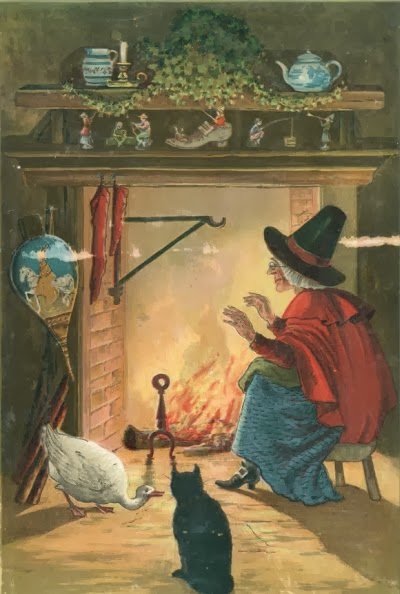
October 01, 2013 "...Now for October Eves!" by Humbert Wolfe

“Listen! The wind is rising,
and the air is wild with leaves,
We have had our summer evenings,
now for October eves!”


A poem by Humbert Wolfe (January 5, 1885 to January 5 1940)

http://www.goodreads.com/quotes/107268-listen-the-wind-is-rising-and-the-air-is-wild

Monday, September 30, 2013

September Teacup , Monday, September 30, 2013

This is Monday and the last day of September 2013. With a windy, blustery day, it's nice to fix a warm cup of tea, and look at flowers and wildlife. The "September" teacup was found this past summer in a thrift shop. Today is a great day to use the teacup in homage to the month of September, and anticipate the coming October days.


 September Rose
 
September Garden Flowers

 A September Teacup
 
 Quail at the Lake


Monday, September 23, 2013

Chinese Elm Trees

The Merry Rose home, garden, and farm are sheltered by large trees, once only knee-high saplings, that over the years have grown tall, with branches and leaves forming overlapping arches that provide cool shade from the hot summer sun.

For years, we at the Merry Rose had no idea what type of trees these were. Some guesses included Dutch Elm, and remarks that due to Dutch Elm disease, we should consider cutting them down as soon as possible.

However, due to neighborhood construction, and lack of a fence at the Merry Rose, we found that the trees seemed to provide a measure of privacy, along with nice shaded areas. So, the trees have stayed.

Finally, someone explained that these were Chinese Elms.
After reading the description, the Merry Rose is not convinced that in fact these are Chinese Elms.
Here is some information about these interesting trees.

via Wikipedia
Ulmus parvifolia, commonly known as the Chinese Elm[1] or Lacebark Elm, is a species native to China, Japan, North Korea and Vietnam.[2] It has been described as "one of the most splendid elms, having the poise of a graceful Nothofagus
http://en.wikipedia.org/wiki/Ulmus_parvifolia

USDA Chinese Elm
http://plants.usda.gov/plantguide/pdf/pg_ulpa.pdf

http://hort.ifas.ufl.edu/database/documents/pdf/tree_fact_sheets/ulmparb.pdf

Elm Care : About Elms
http://www.elmcare.com/about_elms/about_elms.htm

Tree Legends
http://www.twoodtrust.com/twtreelore.htm#elm
http://www.twoodtrust.com/twtreelore.htm

Trees and Shrubs : How to Trim a Yew

Yew trees come with legends and lore.

Here is some information from the article "Mythology and Folklore of the Yew," by Paul Kendall, on the website Trees for Life, Restoring the Caledonian Forest.
http://www.treesforlife.org.uk/forest/mythfolk/yew.html
Yew trees were "... held sacred by the Druids in pre-Christian times. They no doubt observed the tree's qualities of longevity and regeneration (drooping branches of old yew trees can root and form new trunks where they touch the ground), and the yew came to symbolise death and resurrection in Celtic culture."

Legends and lore also surround trimming the yew.
Yew trees are extremely poisonous.

Here are some links with demonstrations and information about the best ways to trim these magnificent plants.

How to Prune a Yew. The Garden Continuum. Medfield, Massachusetts
http://www.youtube.com/watch?v=vWr3jr3RV68

Patricia Reed gives the following guidelines, with the complete article link and directions following this summary:

Prepare your tools and yourself.
Dampen a cloth with rubbing alcohol and wipe down the trimming tool to protect the yew cuts.
Use gloves for yourself and prepare a place to dispose of yew branches and berries, which are both poisonous and therefore deadly to animals and humans.
Measure at least half way from the plant's top, and make your cut.
Usually a slanted cut is best for keeping the yew healthy.
After trimming, give the yew lots of water, with fertilizer and mulch.
Generally, the yew should be broader at the bottom so that sunlight filters to the entire plant.

How to Prune an Overgrown Yew Shrub. By Patricia H. Reed. SF Gate.
http://homeguides.sfgate.com/prune-overgrown-yew-shrub-41252.html

Here's a discussion forum:
http://forums2.gardenweb.com/forums/load/shrubs/msg0808553919152.html


Sunday, September 22, 2013

The Legend of Mabon, The Second Harvest, Sunday, September 22, 2013


Autumn on the Hudson
by Jasper Francis Crowley 1860

Here at the Merry Rose Home, Garden, and Farm, we are observing the legendary holiday of Mabon, the Autumn Equinox. Today shares lightness and darkness equally. This also falls on a Sunday, a nice day to take a rest after hard work.

The Autumn Equinox is a reminder that now the days will be getting shorter, the evenings longer. While the lessening of light can lead some folks to be a bit sad, longing for the brightness and warmth of summer days, there are ways to illuminate the cool days and nights ahead.

Fruits and vegetables in summer colors make wonderful snacks, meals, and decorations. Orange pumpkins; red and yellow apples; green and yellow squash and snap beans; cranberries, pomegranates, flowers in yellow, orange, red, burgandy.

Kids and adults can enjoy herbal teas and apple cider. Adults may sample the hard cider.

This is a great time for baking: breads, pies, cakes, muffins.

In the outdoors, gather nature that reminds you of summer: leaves, pine cones, feathers, stones. These make great centerpieces or decorations for the front and back porches and windows.

Candles bring warmth and color, safely burning in wide candlesticks or in fireproof containers with a little sand or dirt in the bottom to keep the container from becoming too hot.

As always, safety is first, fun is second, work is third. Together, we can enjoy these Autumn Days.

http://wiccanmoonsong.blogspot.com/2013/09/mabon-blessings.html

http://wicca.com/celtic/akasha/mabon.htm